Roulette Strategies: What Helps and What’s a Myth
A clear guide to what can really help you at the roulette table, and what is only a story. No magic. Just simple math, real rules, and steps you can use.
It is Friday night. A small crowd stands by a single-zero wheel. Chips click. A player presses his bet after each loss. He says, “It must hit red now.” Then the ball lands on zero. The dealer sweeps the line. That player looks lost. Another player, quiet, plays even-money bets on a French table with la partage. He loses less when zero appears. He lasts longer. This is the gap many miss. Most “systems” do not change the odds. But table rules and how you manage your chips can change how fast you lose, how long you play, and how much stress you feel. This piece shows what has proof behind it, and what is myth.
- The house edge rules the game. It does not care how you bet.
- Betting progressions do not make positive EV. They can make risk spike.
- Some things do help: single-zero wheels, la partage, clear limits, steady bet size.
How Roulette Really Pays You (and why that matters)
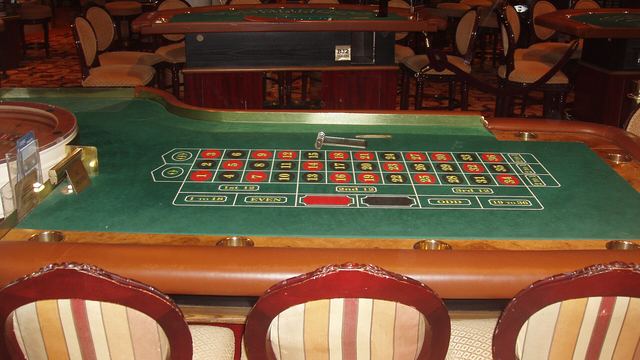
Roulette looks simple. You pick numbers or colors. The ball spins. But behind the felt is a fixed edge. A European wheel has 37 pockets (0–36). An American wheel has 38 (00 is added). That one extra green slot on the U.S. wheel makes the house edge jump. If you want a clean start on the two styles, see this short, plain guide to European vs. American roulette basics (Encyclopedia Britannica).
Payouts look fair on the surface. A straight-up bet pays 35:1. There are 37 numbers on a European wheel. Why not pay 36:1? That “short pay” is the edge. It is the same on most bets. For deep numbers and examples, check the clear house-edge breakdowns by Wizard of Odds.
Now, a key rule that does help: French-style rules for even-money bets. With la partage, if the ball hits zero, you lose only half your even-money bet. With en prison, your bet waits for the next spin. These rules cut loss rate on red/black, odd/even, and high/low. A short EV peek shows why, using la partage on a European wheel:
- Win chance on even-money: 18/37. Lose on non-zero: 18/37. Zero: 1/37.
- No la partage EV: +1×(18/37) + (−1)×(19/37) = −1/37 ≈ −2.70% of stake.
- With la partage EV: +1×(18/37) + (−1)×(18/37) + (−0.5)×(1/37) = −0.5/37 ≈ −1.35%.
That is a real cut in pain. You still do not beat the house. But you lose slower. That matters for time at the table and for mood.
Roulette Bets at a Glance: Payout, Probability, and Effective House Edge
| Straight-up (1 number) | 35:1 | 1/37 (≈2.70%) | 1/38 (≈2.63%) | ≈2.70% EU; ≈5.26% US | High | Big swings; same edge as most bets |
| Split (2 numbers) | 17:1 | 2/37 (≈5.41%) | 2/38 (≈5.26%) | ≈2.70% EU; ≈5.26% US | High | Edge unchanged; swing still large |
| Street (3 numbers) | 11:1 | 3/37 (≈8.11%) | 3/38 (≈7.89%) | ≈2.70% EU; ≈5.26% US | Med-High | Edge unchanged |
| Corner (4 numbers) | 8:1 | 4/37 (≈10.81%) | 4/38 (≈10.53%) | ≈2.70% EU; ≈5.26% US | Med-High | Edge unchanged |
| Dozen / Column | 2:1 | 12/37 (≈32.43%) | 12/38 (≈31.58%) | ≈2.70% EU; ≈5.26% US | Medium | Edge unchanged |
| Red / Black | 1:1 | 18/37 (≈48.65%) | 18/38 (≈47.37%) | ≈2.70% EU; ≈5.26% US; with la partage ≈1.35% EU | Low | La partage or en prison help |
| Even / Odd | 1:1 | 18/37 (≈48.65%) | 18/38 (≈47.37%) | ≈2.70% EU; ≈5.26% US; with la partage ≈1.35% EU | Low | La partage or en prison help |
| High / Low | 1:1 | 18/37 (≈48.65%) | 18/38 (≈47.37%) | ≈2.70% EU; ≈5.26% US; with la partage ≈1.35% EU | Low | La partage or en prison help |
One more core point: spins are independent. The wheel does not “remember.” Over many spins, results tend to match the true odds. This is the law of large numbers (Khan Academy). Short runs can be wild. Long runs pull back to the edge.
Autopsy of Popular Betting Systems
Martingale
How it works: you double after each loss. You aim to win back all losses with one win. It feels safe when you see many small wins. Then a long streak hits. You meet the table limit or you run out of cash. One bad run can wipe days of small gains.
Why it fails: the edge per unit bet stays the same. But your bet size grows fast. Risk of ruin rises. A 7-loss streak on red/black is not rare. On a busy night, you will see it. For the math idea of “many small wins, one big loss,” see the short note on gambler’s ruin (Wolfram MathWorld).
D’Alembert
How it works: raise your bet by one unit after a loss; drop by one after a win. It feels calm. Loss streaks still build a step pyramid of bets. Wins may not match the depth of your loss run. You grind. The edge still eats each unit. You pay the tax slower, but you still pay.
Fibonacci
How it works: use the Fibonacci chain (1, 1, 2, 3, 5, 8…). Move up after a loss, step back two after a win. It grows slower than Martingale, but it still grows. A long bad run can push you near the limit. It does not fix EV. It only shifts when pain hits.
Labouchere (Cancellation)
How it works: write a line of small numbers, like 1–2–3. Bet the sum of first and last. Win? Cross them off. Lose? Add the lost bet to the end. It feels smart to “close” numbers. But a streak makes the line grow. Bets can spike. It looks neat on paper. At the table, it can get hot fast. The edge still wins in the long run.
Edge Cases with a Kernel of Truth
Not all tips are fluff. Some help in a clear, small way:
- Pick single-zero when you can. Extra green slots hurt you. A U.S. wheel adds about double the tax.
- Even-money with la partage or en prison is kinder on zero. See how French roulette rules (la partage) work in plain terms.
- Fix your unit size before you play. Keep it small. 1–2% of your bankroll per spin is a common cap.
- Slow the game. Fewer spins per hour mean fewer times the edge hits you. Talk. Take breaks. Skip a spin.
- Match bet type to your mood and bankroll. Even-money bets swing less. Straight-up swings more.
- Watch your stop points. Pre-set a stop-loss and a stop-win. Then stick to them.
What about “wheel bias” or “dealer signature”? In the past, old wheels could wear down. Today, top floors track results. Wheels and balls get checked and swapped. Bias that a normal player can use is rare. If you want to read balanced research on casino gear and rules in general, the UNLV Center for Gaming Research is a good hub.
Online vs Live: Physics, RNG, and Fairness
In a live game, a real ball moves in a real wheel. Small physical quirks can exist, but good casinos manage them. Online, you will see two kinds of roulette. One is a live stream of a real wheel. The other is RNG (random number generator) roulette. With RNG, software picks the result. Players often ask, “Is it fair?” In places with strong rules, it must be. Here is a plain guide on how gambling fairness and randomness work under the UK Gambling Commission.
Good RNG roulette is checked by labs to open standards. One base rule set is in GLI-11 RNG standards (PDF). Many sites also show badges from testers like eCOGRA. These checks do not help “beat” the game. They help you trust that the odds match the rules on the screen.
Psychology Traps and How to Dodge Them
Our brains love patterns. Roulette feeds that urge. This is a problem.
- The Gambler’s Fallacy: many think “red has been cold, so red is due.” But each spin is fresh. The odds for the next spin do not change based on the last ones. Here is a short, clear note from the pros: APA on the gambler’s fallacy.
- Chasing losses: you raise bets to “get even.” This often leads to tilt and fast busts. Plan your stop lines before your first chip goes down.
- Illusions of control: you may feel you can “time” the spin or pick a “hot” number. You cannot control the wheel. Focus on the few things you can control: game choice, bet size, pace.
Want a quick, friendly primer on why bankrolls swing? This short guide helps: variance basics from NIST. The gist: even fair coins show streaks. In roulette, the house edge plus variance can make swings larger and longer than you expect.
Field Checklist Before You Sit Down
- Wheel type: pick European (single-zero) when you can. Avoid double-zero if you have a choice.
- Even-money rules: check if la partage or en prison is live. If yes, your even-money bets bleed less.
- Table limits: know min and max. Progressions hit the ceiling fast. Do not plan a system that needs big jumps.
- Chip value: know the cost per unit. Make your base unit small (1–2% of your buy-in).
- Session plan: pick a time cap, a stop-loss, and a modest stop-win. Write them down.
- Pace: slow down. Fewer spins per hour = smaller expected loss per hour.
- Note-taking: track bets and mood. If you feel tilt, step away.
- Online info panel: read it. Check wheel type, return to player (RTP), and rule set.
- Mobile and payments: if you play on your phone and care about fast, safe deposits and cashouts, scan the Casino-Game.co.za smartphone picks for current payment options and mobile support details.
FAQ: Micro-Myths in Plain Words
- Do hot or cold numbers matter? No. Each spin is fresh. A past streak does not change the next odds.
- Is there a “best” time of day? No. The edge and odds stay the same. Crowds only change pace.
- Can money management beat the game? No. Good money rules help you last and feel calm, but they do not change EV.
- Will table hopping help? Not for odds. It can help you find better rules (single-zero, la partage). That does help reduce loss rate.
- Are outside bets “safer”? They swing less. They are not safer in the long run. The edge per unit is the same, unless la partage applies.
- Can I exploit wheel bias? Almost never today. Good casinos track and tune wheels and swap balls. True bias is rare and hard to prove.
- Are betting systems illegal? No. You can use them. They just do not give an edge.
Responsible Play and When to Walk Away
Roulette is a paid form of fun. Treat it like a show ticket, not a way to make rent. Signs you should stop now: you chase losses; you feel hot anger or numb; you hide play from people you love; you borrow to keep going. It is brave to ask for help. In the U.K., a good first stop is free help at BeGambleAware. In other regions, look for your local support line and rules. Age limits and laws vary by place. Know yours before you play.
Why these tips fit what Google calls “helpful content”
This guide shows clear math, names real rules you can check at the table, and links to trusted sources. It makes no promise of sure wins. It tells you how to cut loss rate and stress. It uses simple words so more people can use it. If a line is not useful, it is not here.
Sources, in context
- Encyclopedia Britannica on roulette basics
- Wizard of Odds roulette math and house edge
- Khan Academy: law of large numbers and independence
- Wolfram MathWorld: Gambler’s Ruin
- Wikipedia: French roulette (la partage)
- UK Gambling Commission: fairness and randomness
- GLI-11 (PDF): RNG standards
- eCOGRA: independent testing
- APA Dictionary: gambler’s fallacy
- NIST/SEMATECH e-Handbook: variance basics
- UNLV Center for Gaming Research
- BeGambleAware: support
Disclaimer: Roulette has a built-in house edge. No betting system makes it a sure way to profit. Play only with money you can afford to lose. This page may include outbound links. We do not promise any third-party site is right for you. Always read local rules.
Last reviewed: 2026-07-17
The National Gambling Helpline is free and confidential, open 24 hours a day: 0808 8020 133. More options on our help page.